Basic info:
Total 60 days round trip flight from LAX to BCN (June 18 – August 18)
Average expenses: $62 per day (includes a week of being a tourist in Barcelona). Typical costs on the trail were roughly €30 per village stop (3-4 day food resupply + local shops) and €50 per night in the staffed huts, including breakfast and dinner and perhaps a few beers.
Yes, it is rather costly. Yes I could have been on a more shoe-string budget. But honestly, if you have the means to not soley subsist on ramen and instant soups, I believe that access to the local cuisine really makes this trek unique. It’s much easier hauling a heavy pack across 500 miles of mountain terrain when you reward yourself. There is no greater luxury than a hot meal or a cold beer when you are tired, smelly and need motivation to strap on your boots once more and set out on the trail.
53 nights on the trail, from Hendaye to Banyuls-Sur-Mer:
32 nights primitive camping in bivouac (tent),
3 nights of bivouac in established camping site
3 nights in unstaffed huts
5 nights in the staffed refuges
5 nights in a hostel/gîte
5 nights in a hotel.
Narrative:


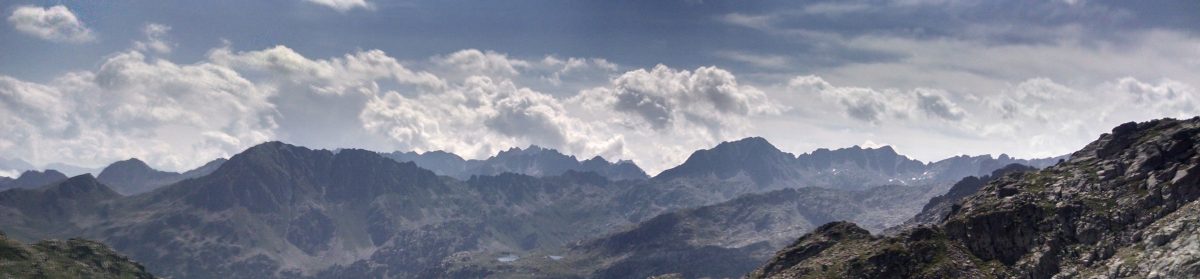
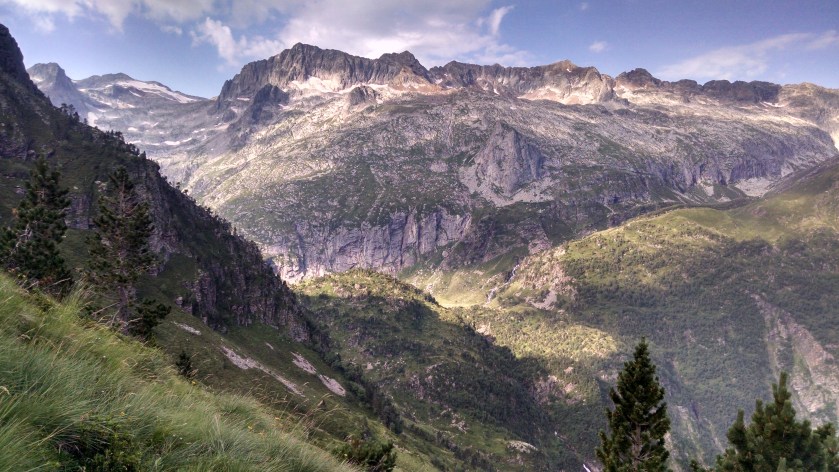
From sea to sea: Atlantic (Hendaya) to Mediterranean (Banyuls-sur-Mer)
I first heard about the HRP while poking around on the internet (most likely reddit.com) when I came across this trip report. I had just completed the Wonderland Trail in Washington State, which had a lot of firsts for me: It was the first time I’d rented a car; First time I’d driven interstate on my own and it was my first solo wilderness backpacking trip. I still remember the sense of accomplishment and life fulfillment I felt, and when I returned home I knew I needed more. Reading Amy’s and Jim’s account of their HRP trip immensely captivated my interest, I was familiar with other thru hikes but none had the coast-to-coast element to them. I immediately knew the HRP would satisfy my cravings for adventure – straddling the border between France and Spain meant I’d get to experience both cultures in the mountains. The idea couldn’t be shook, and a few months later I bought my roundtrip flight. It was the perfect length of time to fit in the summer between semesters of my graduate coursework.
I had a pretty decent pack setup but I had some cash I had set aside to put into more lightweight gear. The main planning was finding all the topographic maps that were out of print. I went and ordered the famous Tom Joosten trail guide which, with detailed maps and a compass, I figured I would do quite well in navigating the range. As a last-minute addition I got a cheap GPS and spent way too much time inputing coordinates, one by one, from Tom’s detailed guide. Took ages for all the maps (for which some were out of print) to arrive. It was an amusing experience, visiting foreign topographic institute websites in search for detailed geographical coverage of the entire Pyrenees. Supply is very limited, so if you are planning on doing the HRP then finding the necessary maps should be your first priority.
I probably spent too much money upgrading various gear; a result of my eagerness to reduce packweight and also of simply treating myself to higher quality equipment for full enjoyment of the trip. Dialing in your pack setup is really fun when you have the cash – you find out about yourself and your preferences in the process. It’s also a welcome challenge finding quality low budget alternatives. Fine-tuning everything to your trail needs can almost feel like an art form. It is so satisfying getting it all just right, so that nothing goes unused or underperforms when you need it most.

All my equipment held up exceptionally well, I couldn’t have been happier with everything. I’ve linked my gear review at the top of this summary.
I had initially got a roundtrip flight from Barcelona for 49 days, but realized it gave me hardly any margin for error when the guidebook suggests 45 days on the trail. So I had to eat the cost and purchase an additional one way to guarantee an extra 10 days’ insurance for completion of the trek.
The whole thing was a solo journey, which really was profound for me. In so many ways it felt like this trip was a test of my worth. How well could I manage on my own for so long? How much can I grit my teeth through the aches and pains? How do I console myself when things look bleak and there’s no one else giving encouragement to press on? Growing up I’ve been the type who takes on projects and such, but struggles to see them through. It’s easy when someone else expects it from me, but just doing something for myself means ultimately the endeavor will lose steam and fade out. This trip – setting out from one coast and getting across the range to the other side – was a way of proving to myself that I could pursue something I wanted, to its completion. It meant undertaking and successfully completing something difficult for no reason other than I wanted to. It was also a way of vacationing without feeling guilty; two months of leisure on a tropical island beach sounds a lot more self-indulgent than a tough and challenging trek across crags and valleys.
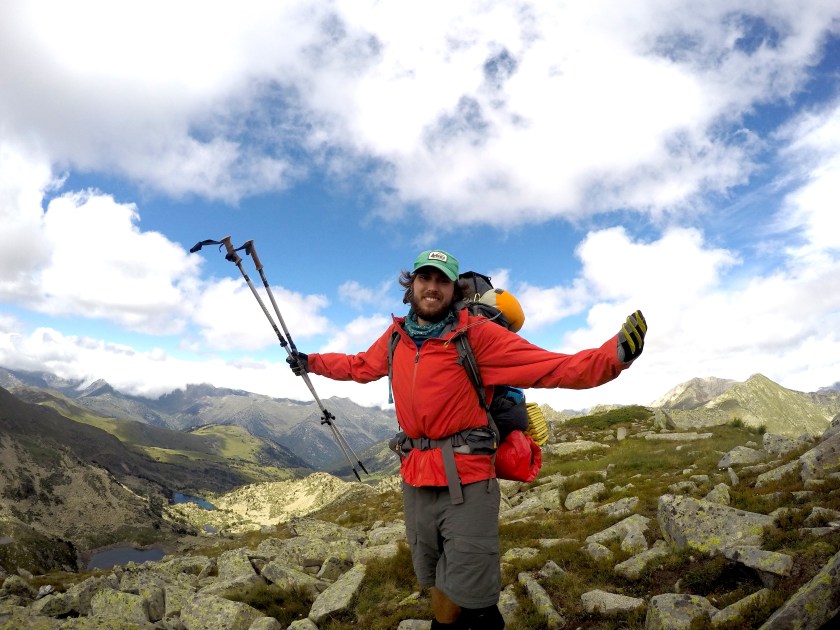
Despite having spent several months on a regular exercise routine, nothing could have quite prepared me for how tough those first couple days were. This commentary for the Appalachian Trail sums it up pretty well. There’s no way to properly practice and train for backpacking without actually just backpacking. But the fears, insecurities, and eventually some of the bodily pains faded away and after a week or two I really got into a good groove. I embraced the lifestyle (and the body odor) and started falling in love with the mountains. After weathering multiple storms, walking for miles in wet shoes, etc. your skin starts to thicken and nothing gets to you. It was like a constant high – every waking hour I just felt perpetually happy, very little could put a real damper on my spirits.
More to come…
 A Day With Gray